
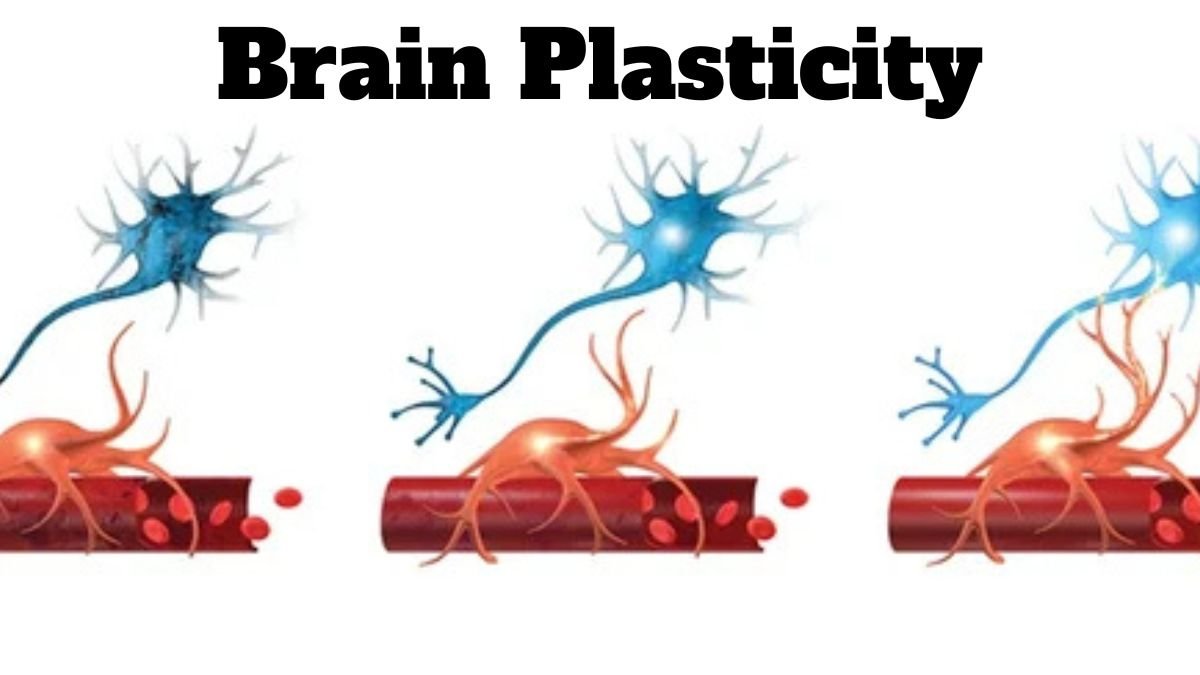
The human brain is one of nature’s most amazing creations. It’s not just the center of thinking, feeling, or remembering, but a vibrant and dynamic organ that’s constantly learning, changing, and improving itself. Even when our brains are injured due to accidents, strokes, or trauma, they possess the remarkable ability to repair themselves. This process is called brain plasticity or neuroplasticity.
What is brain plasticity?
Brain plasticity refers to the brain’s ability to adapt to new circumstances, experiences, and injuries. Simply put, it’s the brain’s ability to “flexibility” or “self-repair.”
When a part of the brain is damaged, other parts take over. For example, if a part of the brain is damaged by a stroke and that part used to control speech, with time and proper therapy, another part of the brain can gradually learn to speak. This is the miracle of brain plasticity.
How the Brain Heals Itself
When the brain is injured, the neurons there are damaged or damaged. It was previously believed that once a neuron is destroyed, it cannot be regenerated. But modern science has changed this thinking. It has now been proven that the brain can form new neural connections and reactivate old pathways.
After an injury, the brain begins the process of “rewiring.” This means that healthy parts of the brain take over the damaged parts by creating new pathways. This process is slow, but with consistent practice, therapy, and time, it begins to yield results.
The Role of Neurons and Neural Networks
The brain is made up of billions of neurons, which are interconnected and exchange messages through electrical signals. When we learn something new, acquire a skill, or repeat a task repeatedly, this network strengthens.
When the brain is injured, some neurons die, but the remaining surviving neurons try to form new connections in their place. This process is called brain plasticity. It’s a type of “reconnection” system that keeps the brain functioning.
Recovery Process After Stroke and Brain Injury
After a stroke or head injury, when a person’s ability to speak, walk, or remember is impaired, doctors recommend physiotherapy, speech therapy, and cognitive exercises. These exercises retrain the brain so that it can regain lost abilities by creating new pathways.
For example, a person may forget to hold things with their right hand after a stroke. Physiotherapists have the person perform small exercises repeatedly to help the brain learn to repeat these actions. Gradually, neural pathways strengthen, and the brain relearns the movement.
The Impact of Learning and Experience
Brain plasticity doesn’t just occur after injury, but is active throughout our lives. When we learn a new language, play a musical instrument, or acquire new information, our brains form new connections. This is why education, meditation, and a positive lifestyle keep the brain strong and active.
The richer the experience, the deeper the brain’s plasticity. When a child learns new things, the neural networks in their brain develop faster. Similarly, if an adult regularly engages in new activities, their brain remains more flexible and healthy.
The Importance of Mindfulness and Meditation
Meditation and mindfulness not only provide mental peace but also positively alter brain structure. Scientific studies have proven that meditators experience increased gray matter density in their brains, which is associated with learning, memory, and self-control.
When a person meditates regularly, areas of the brain related to stress (such as the amygdala) become less active, and areas related to attention (such as the prefrontal cortex) become more active. This is also a form of brain plasticity.
The Role of Nutrition in Brain Regeneration
Proper nutrition is essential for a healthy brain. Omega-3 fatty acids, B vitamins, antioxidants, and protein provide energy and strength to brain cells. Fish, walnuts, flax seeds, green vegetables, and fruits are all helpful in brain recovery.
Research has also shown that sleep plays a vital role in the brain’s healing process. During sleep, the brain organizes old memories and solidifies new learning. Therefore, getting adequate sleep after a brain injury is crucial.
The Role of Therapy and Rehabilitation
The journey to recovery after a brain injury is long and challenging, but various therapies play an important role.
- Physical therapy can help a person learn to walk again.
- Speech therapy restores speech and understanding.
- Occupational therapy helps restore the ability to perform daily activities.
The fundamental principle of all these therapies is repeated practice so that the brain learns to form new pathways. The more often someone
Conclusion
Brain plasticity teaches us that the brain is not static, but a living, evolving, and adaptable organ. It can adapt to every experience, every learning, and every challenge.
When the brain is injured, it’s the beginning of a new journey—a journey in which science, willpower, and persistent effort work together to bring the brain back to life. With the right environment, therapy, nutrition, and mental support, the brain can make the impossible possible.
