
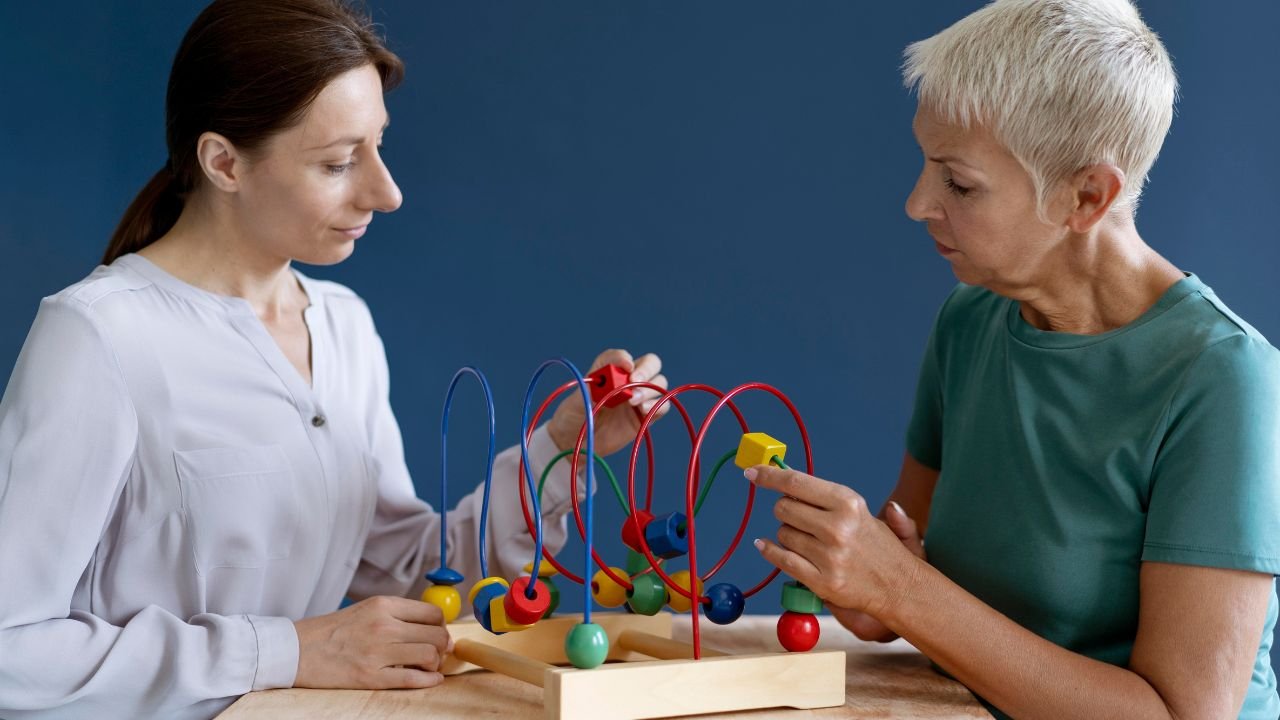
The brain is the most complex and mysterious organ in the human body. It is the center of our thinking, memory, decision-making, and every life experience. However, when this organ is affected—such as by traumatic brain injury (TBI), stroke, dementia, or even cancer—a person’s ability to think, understand, and process information can be impaired. In such cases, Cognitive Rehabilitation Therapy, or Cognitive Rehabilitation Therapy (CRT), plays a vital role in restoring brain function.
What is Cognitive Rehabilitation Therapy?
Cognitive rehabilitation therapy is a group of treatments used to improve a person’s ability to think, understand, and process information. When the brain is affected by injury or disease, this therapy helps a person regain mental strength.
This therapy aims not only to improve memory or attention, but also to develop intellectual abilities such as comprehension, decision-making, problem-solving, and multitasking.
What does cognitive rehabilitation involve?
Cognitive rehabilitation involves specialized therapists, such as therapists, neuropsychologists, and rehabilitation specialists, working together to develop an individualized plan. This plan includes specific techniques and exercises tailored to the individual’s needs and goals.
These sessions can be conducted individually, in groups, or online. There is no one-size-fits-all approach—treatment is tailored to each individual’s condition and needs.
Therapy aims to improve the following abilities:
- Memory
- Attention
- Reasoning and understanding
- Problem-solving
- Decision-making
- Organization and planning
- Communication
- Self-awareness
Neuroplasticity: The Key to Brain Rebuilding
Cognitive rehabilitation is based on “neuroplasticity.” This means that the brain is capable of changing its structure and forming new neural connections throughout life. This means that even if one part of the brain is damaged, other parts can compensate for the loss.
Two Main Types of Cognitive Rehabilitation
- Restorative Treatment: In this approach, the individual is encouraged to work on their weak skills. Such as memory exercises, problem-solving games, or concentration exercises.
- Compensatory Treatment: Here, the individual is taught to live with and manage their shortcomings. For example, using smartphone reminders, alarms, or calendars to compensate for lack of attention or memory.
Benefits of Cognitive Rehabilitation
Cognitive rehabilitation not only improves mental abilities but also improves quality of life. Its main benefits include:
- Completing daily tasks more easily
- Improving social relationships
- Increasing self-reliance
- Improving written and verbal communication
- Improved performance at work or studies
- Improved decision-making and organizational skills
Studies on people with multiple sclerosis (MS) have shown that this therapy increases self-confidence, understanding of the disease, and a positive outlook on life.
In what conditions is this therapy useful?
Cognitive rehabilitation is primarily used in patients with traumatic brain injury (TBI) and stroke. But this therapy has also been found to be helpful in the following conditions:
- Dementia and Alzheimer’s
- Parkinson’s disease
- Bipolar disorder
- Schizophrenia
- ADHD (Attention Deficit Hyperactivity Disorder)
- Anxiety and depression
- Multiple sclerosis (MS)
- After brain surgery or cancer treatment
- Autism or OCD
- Cognitive problems resulting from long COVID
Remediation vs. Rehabilitation
Although the two terms sound similar, there is a slight difference between them.
Cognitive remediation is a specific type of rehabilitation technique, also known as cognitive training or cognitive enhancement.
On the other hand, Cognitive Behavioral Therapy (CBT) is completely different—CBT addresses a person’s emotional and mental problems, while Cognitive Rehabilitation improves their thinking and understanding abilities.
Techniques and Strategies of Cognitive Rehabilitation
Various techniques are used to restore brain function. Some of the major techniques are:
Helps correct speech or comprehension difficulties.
- Occupational Therapy: Reinforces the ability to perform daily or professional tasks.
- Computer-Assisted Training: Improves attention, memory, and problem-solving skills through digital exercises.
- Smartphone and GPS Use: Uses modern tools to organize and remember tasks.
Cognitive Rehabilitation Exercises
Exercises are individualized based on the individual’s condition.
For example, if a person has trouble focusing or memory loss, they might be offered the following:
Restorative exercises:
- Worksheets or software-based exercises to improve memory
- Problem-solving games
- Reading information aloud or repeating it as a story
Compensatory exercises:
- Setting task reminders on a smartphone
- Using a digital calendar for daily planning
- Using a speech-assist device
- Setting alarms to maintain focus
All of these exercises aim to gradually return the person to normal life.
Is cognitive rehabilitation effective?
A 2019 study by the Cognitive Rehabilitation Task Force found that this therapy is quite effective after TBI and stroke.
Another 2022 study also found that this therapy is beneficial for people with mild cognitive impairment or early dementia.
However, research is ongoing regarding its effects on other conditions. Treatment results may vary, as each individual’s condition is unique.
Where can I find a cognitive rehabilitation specialist?
If you or someone you know needs this therapy, you can contact the following specialists:
- Speech therapist
- Occupational therapist
- Neuropsychologist
- Psychiatrist
- Cognitive remediation specialist
- Rehabilitation psychologist
You can join a certified cognitive rehabilitation center with a referral from your primary doctor.
Conclusion: The Brain’s Journey of Rebirth
Cognitive rehabilitation therapy offers hope for those who have lost some of their intellectual abilities due to brain disease or injury. This therapy not only reactivates a person mentally, but also makes them self-reliant and self-confident.
If you are interested in this treatment, consult your doctor and seek guidance from the right specialist for your condition. Remember, the brain’s amazing “neuroplasticity” gives it the ability to rebuild itself—and Cognitive Rehabilitation is the most beautiful manifestation of that process.
