
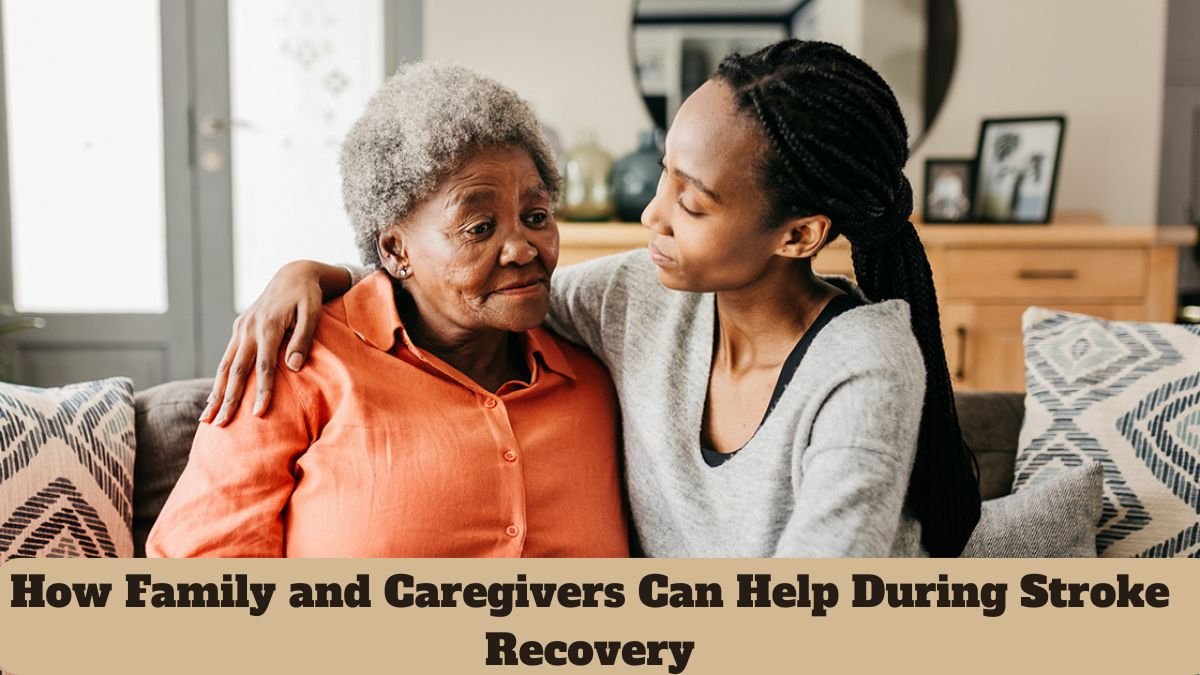
Stroke is a medical condition that can change a person’s life instantly. It occurs when blood flow to the brain is blocked or ruptured, which can affect control of certain parts of the body. Stroke recovery isn’t solely dependent on medication or therapy; family and caregivers play a crucial role. When someone suffers a stroke, their entire family is emotionally, mentally, and physically involved in the journey.
Stroke recovery is a long process—sometimes lasting months, sometimes years. Family and caregivers provide a strong support system for the individual. They not only help with everyday tasks but also transform their self-confidence and outlook on life. In this article, we will explore how family and caregivers can play a vital role in a stroke survivor’s recovery.
Understanding the Stroke Recovery Process
First, it’s important to understand that stroke recovery is a “slow but steady process.” After a stroke, a person may experience weakness in one part of their body, difficulty speaking, or memory loss. Patience and positivity are crucial tools in these situations.
Doctors and therapists provide medical guidance for recovery, but family helps balance the individual’s daily life. Small tasks, such as helping them get out of bed, encouraging them to speak, or maintaining a healthy diet, all contribute significantly to gradual improvement.
Emotional Support: The Ultimate Medicine for Recovery
After a stroke, a person may feel helpless, weak, and sometimes worthless. This mental state can slow their recovery. This is where the role of family and caregivers becomes crucial.
Family members should treat the patient with patience and compassion, repeatedly reminding them that they are not alone. Kind words, affectionate behavior, and encouragement for every small progress boost the patient’s self-confidence. When the person sees that their loved ones are with them, they regain hope for life and recovery.
Physiotherapy and Participation in Rehabilitation
Physiotherapy and occupational therapy are essential after a stroke. Family support makes these therapies more effective.
Family or caregivers should learn from the therapist which exercises can be done at home and how to assist the patient in walking or sitting. A few minutes of daily practice gradually reactivates the body’s muscles.
Also, care should be taken not to put any extra physical strain on the patient. Each activity should be performed according to their energy and comfort level. If the family participates regularly, the speed of recovery is definitely accelerated.
Balanced Diet and Health Care
A proper diet also plays a major role in stroke recovery. The patient’s diet should limit salt, sugar, and fat. A diet rich in fruits, vegetables, whole grains, and protein improves brain and body function.
It is the family’s responsibility to prepare a diet chart as advised by the doctor and ensure its adherence. If the patient is on medication and has dietary restrictions, special care should be taken. A proper diet not only strengthens the body but also maintains a balanced mind.
Promoting Communication Skills and Speaking Ability
Sometimes, after a stroke, the patient has difficulty speaking or understanding. This is called “aphasia.” In such cases, the family should practice patient communication.
Speak slowly, use simple words, and maintain eye contact. Give the patient enough time to express themselves. If they are unable to speak, gestures, pictures, or writing can be used. Most importantly, the family should not laugh or ignore incomplete sentences. Communicating with respect and patience increases the patient’s self-confidence.
Maintaining a Positive Environment and Social Connections
The home environment is crucial during recovery. A calm, clean, and positive environment improves the patient’s mental health. The family should ensure that the patient’s room has adequate light, ventilation, and comfort.
In addition, efforts should be made to gradually reconnect the patient with society. Meeting relatives or friends, taking them on short walks, or engaging in light conversations—all of these can strengthen their mental state. When a person feels part of society, their desire to live again increases.
Caregivers also need to be self-sensitive.
Caring for a stroke survivor is not easy. It can be emotionally and physically draining. Therefore, caregivers must also take care of their own health.
They should take regular breaks, get adequate sleep, and seek necessary support to maintain their mental health. If needed, joining support groups or seeking counseling is also helpful. Because only if caregivers are healthy themselves will they be able to properly care for the patient.
The Importance of Medical Advice and Regular Checkups
Following the doctor’s instructions is crucial during recovery. The family should ensure that the patient takes their medication on time, attends doctor’s appointments, and gets regular checkups.
Blood Pressure, Blood Sugar, and Cholesterol
Conclusion: Full recovery is possible with love and support.
Stroke recovery is not just a medical treatment, but a life journey in which family, love, and patience play a crucial role. A caring family and dedicated caregiver can prove more effective than any medicine.
When a patient feels that their loved ones are standing with them, they become stronger not only physically but also mentally. This strength makes them self-reliant, confident, and connected to life again.
