
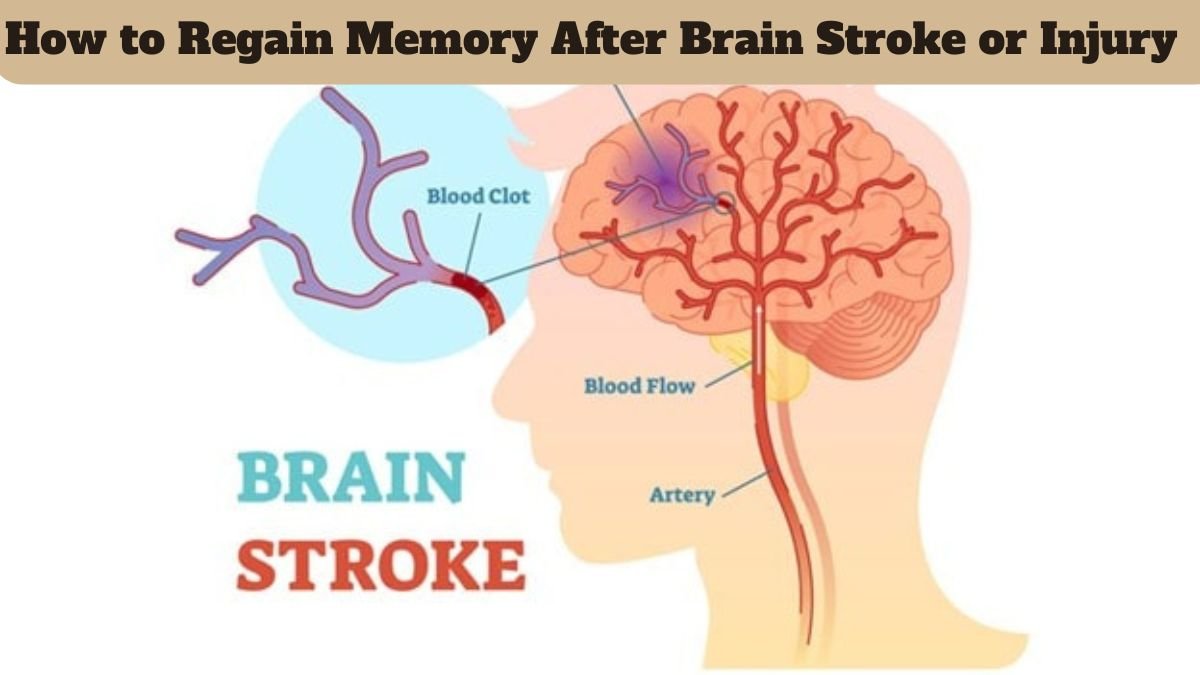
The human brain is the most important and complex organ in our body. It not only controls all bodily functions, but is also the center of abilities such as thinking, understanding, remembering, and decision-making. When a person suffers a stroke or head injury, the brain’s normal function can be affected. This can affect a person’s speech, movement, thinking, and memory. The most common complaint in such a situation is, “I can’t remember things” or “I can’t recall old memories.” While this problem may seem frightening, it’s not impossible for a person to gradually regain their memory.
In this article, we will explore in detail why memory loss occurs after a stroke or head injury, how it can be regained, and ways in which a person can strengthen themselves mentally.
Why is memory affected after a stroke or injury?
Memory loss after a stroke or head injury is caused by damage to certain parts of the brain. A region of the brain called the hippocampus plays a crucial role in storing and recalling memories. When oxygen or blood supply to this region is reduced, it cannot function properly.
In addition, after a stroke, the brain’s neurons—which transmit and receive messages from one another—are affected. When these neurons don’t function properly, both memory and concentration are affected. Sometimes this effect is temporary, and with proper treatment, therapy, and mental exercises, memory can be restored.
Recovery is a gradual process.
Recovery after a stroke or head injury is a slow process. The brain attempts to “rewire” itself, a process known as neuroplasticity in medical terms. This means that other parts of the brain begin to take over the functions of the part affected by the stroke. This process takes time, but if a person continues therapy, maintains a positive attitude, and takes medications regularly, improvement is possible.
Many people experience difficulty remembering names, words, or recalling old memories in the first few months. However, as the pressure on the brain lessens and new neural connections form, memory begins to improve.
The Importance of Medical Therapy and Counseling
If a person is experiencing memory problems after a stroke or brain injury, doctors usually recommend cognitive rehabilitation therapy. This therapy trains the person to reinvigorate their ability to think, concentrate, understand, and remember.
In many cases, the help of a speech and language therapist is also sought, as the ability to speak and understand language is affected after a stroke. Furthermore, counseling provided by a neuropsychologist strengthens the person mentally so that they can overcome their fears and stress.
Medication and Nutrition Also Contribute
Nutrition plays a vital role in brain recovery. Omega-3 fatty acids, vitamin B12, folic acid, and antioxidants help regenerate brain cells. Therefore, after a stroke, a person is advised to eat nutritious foods like fish, eggs, milk, green vegetables, and fruits.
It is also very important to take the medications prescribed by the doctor on time. Many medications help increase blood circulation in the brain and regenerate neurons.
Exercises to Keep the Brain Active
Mental exercises are considered very effective for reactivating memory. Reading the newspaper daily, playing short word games, solving crossword puzzles, and trying to learn new things keeps the brain active.
Many experts also recommend writing down your daily activities in a diary. This practice helps train the brain to remember things. Gradually, one begins to notice that they are able to remember old things better than before.
A Positive Environment and Family Support
After a brain injury or stroke, a person becomes very vulnerable not only physically but also mentally. In such situations, family support and a positive environment are crucial. If family members behave with patience, love, and empathy, the patient’s self-confidence doubles.
It has often been observed that people who interact with family, listen to music, or engage in light activities recover faster than others.
It’s Important to Stay Away From Stress and Depression
Depression and anxiety are very common in stroke patients. Mental stress further weakens memory. Therefore, meditation, yoga, and deep breathing exercises should be included in one’s life.
10–15 minutes of meditation daily calms the mind, improving thinking and memory. Mental peace proves to be a strong step towards regaining memory.
Conclusion
Losing memory after a brain stroke or injury is a terrifying experience, but the story doesn’t end there. Today, with the help of medical science, therapy, and mental training, a person can regain a significant amount of their lost memory. All that’s needed is proper treatment, positive thinking, family support, and self-confidence.
